
Congenital Heart Disease in Dogs and Cats
Heart defects that are present from birth
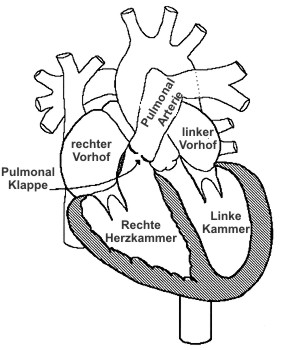
Congenital heart disease includes structural abnormalities of the heart or the major blood vessels that are already present at birth. These defects may affect heart valves, chambers, septa or great vessels.
In some dogs and cats, a congenital defect causes only a mild murmur and little or no long-term limitation. In others, the defect can lead to a significant pressure or volume overload of the heart and may require treatment.
Early diagnosis is especially important because some congenital defects can be treated very successfully if they are recognized in time.
How is congenital heart disease first noticed?
In many puppies and kittens, the first clue is a heart murmur heard during a routine examination, vaccination appointment or pre-purchase check.
Not every murmur automatically means a serious congenital defect. However, a persistent murmur or a murmur of concerning intensity should always be evaluated carefully by a cardiologist.
Which symptoms can occur?
Clinical signs depend on the type and severity of the defect. Some animals remain symptom-free for a long time, while others become ill at a young age.
- heart murmur
- reduced exercise tolerance
- poor growth or failure to thrive
- shortness of breath
- rapid breathing
- collapse or syncope
- cyanosis in severe defects with abnormal blood oxygenation
How is the diagnosis confirmed?
The most important examination is echocardiography with Doppler.
Echocardiography allows the defect to be visualized directly, evaluates its effect on heart size and function, and helps determine whether monitoring, medical treatment or an interventional procedure is appropriate.
Depending on the patient, additional tests may include ECG, Holter monitoring, thoracic radiographs and blood pressure measurement.
Common congenital heart defects we diagnose and treat
Some defects are encountered especially often in clinical cardiology and may have specific treatment options.
Patent ductus arteriosus (PDA)
Patent ductus arteriosus is one of the most common congenital heart defects in dogs. A fetal blood vessel that should normally close shortly after birth remains open.
This causes an abnormal blood flow from the aorta into the pulmonary artery and can lead to progressive volume overload of the left heart. Without treatment, many affected dogs eventually develop heart enlargement and heart failure.
More information: Patent ductus arteriosus (PDA) and PDA closure
Pulmonic stenosis
Pulmonic stenosis is a narrowing at the level of the pulmonary valve or right ventricular outflow tract. The right side of the heart must pump against increased resistance, which can lead to right ventricular hypertrophy and other complications.
Severity varies considerably. In moderate to severe cases, treatment with balloon valvuloplasty may be recommended.
More information: Pulmonic stenosis and Pulmonic stenosis balloon valvuloplasty
Subaortic stenosis
Subaortic stenosis is a narrowing below the aortic valve in the left ventricular outflow tract. It causes pressure overload of the left ventricle and may increase the risk of arrhythmias, syncope and, in severe cases, sudden cardiac death.
Mild cases may only require monitoring, while very severe forms may need medical therapy and in selected patients a specialized interventional approach.
More information: Subaortic stenosis and Subaortic stenosis cutting balloon intervention
Other congenital heart defects
In addition to PDA, pulmonic stenosis and subaortic stenosis, a number of other congenital defects can occur in dogs and cats.
Ventricular septal defect (VSD)
A ventricular septal defect is a hole in the wall between the right and left ventricles. Small VSDs may cause only a murmur and little hemodynamic significance, while larger defects can lead to marked volume overload and pulmonary vascular changes.
Atrial septal defect (ASD)
An atrial septal defect is an abnormal opening between the atria. Depending on size and blood flow direction, it may be detected incidentally or may contribute to right heart enlargement over time.
Tricuspid valve dysplasia
In tricuspid valve dysplasia, the tricuspid valve is malformed. This can cause tricuspid regurgitation, right atrial enlargement and, in more severe cases, right-sided congestive heart failure.
Mitral valve dysplasia
Mitral valve dysplasia is a congenital malformation of the mitral valve. It can lead to mitral regurgitation from a young age and may cause left heart enlargement depending on severity.
Tetralogy of Fallot
Tetralogy of Fallot is a complex congenital defect consisting of several abnormalities, including pulmonic stenosis, ventricular septal defect and abnormal blood flow patterns. Affected animals may show cyanosis and marked exercise intolerance.
Cor triatriatum and other rare defects
Rare congenital malformations such as cor triatriatum can also occur. These defects may obstruct blood flow within the atria and cause signs of congestion depending on the anatomic form.
Do cats also develop congenital heart defects?
Yes. Although some congenital defects are diagnosed more commonly in dogs, cats can also be affected by PDA, septal defects, valve dysplasia and other congenital malformations.
In cats, congenital disease sometimes has to be distinguished carefully from cardiomyopathies, which are also important causes of heart murmurs and cardiac disease.
When is treatment needed?
Treatment depends on the specific defect, its severity and the effect on the heart and circulation.
Some congenital defects only require periodic rechecks. Others should be treated as early as possible to prevent progressive cardiac damage.
Depending on the diagnosis, treatment options may include:
- regular cardiology monitoring
- medical treatment
- interventional catheter procedures
- breed screening and breeding recommendations in predisposed lines
Why early referral matters
In congenital heart disease, timing can make a major difference. Some patients can remain stable for a long time if monitored properly, while others benefit from intervention before irreversible remodeling or heart failure develops.
For that reason, puppies and kittens with a persistent murmur, exercise intolerance or unexplained collapse should be evaluated early by a cardiologist.